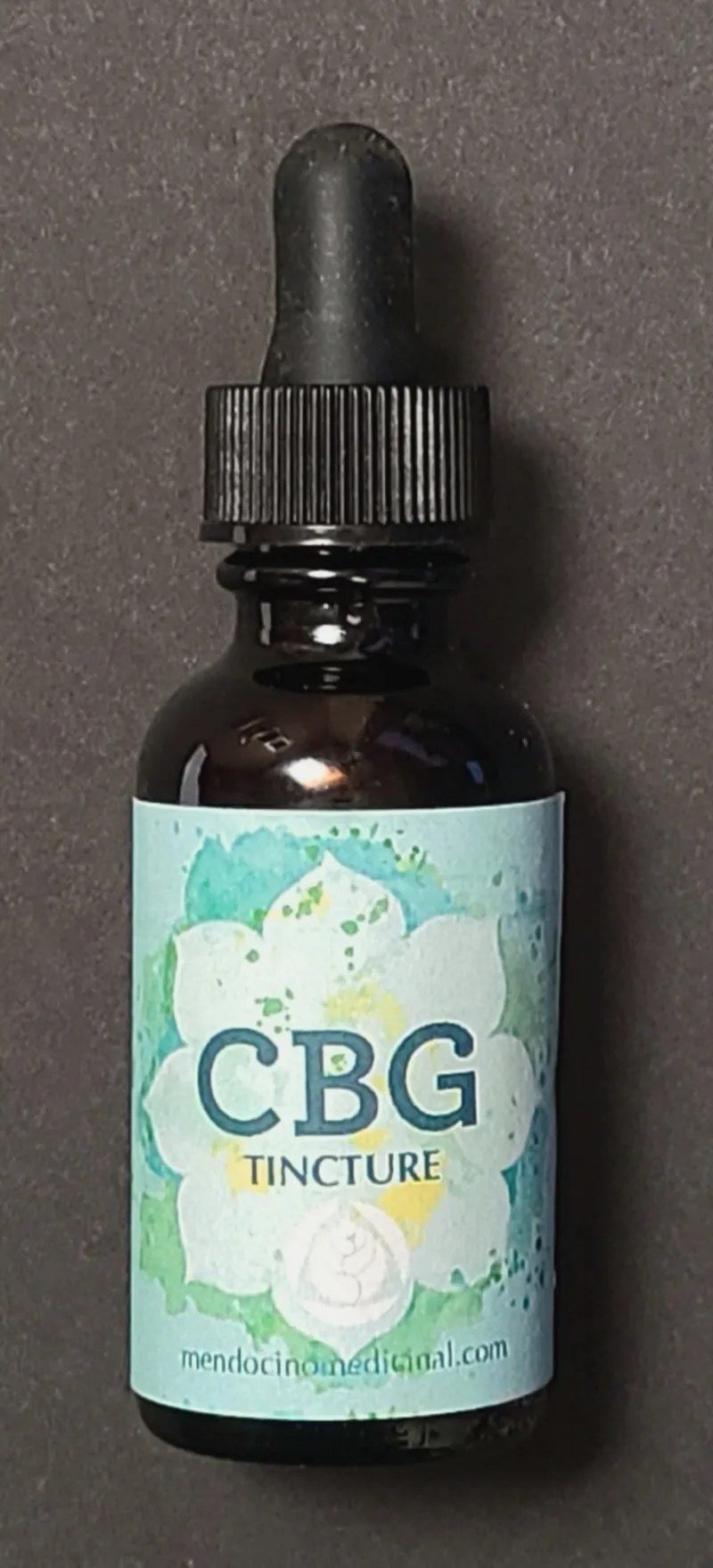
CBG Tincture
$36 / 1 oz.
Ingredients
Alcohol, CBG (Cannabigerol—a non-psychoactive cannabinoid).
What Is CBG?
CBG, or cannabigerol, is sometimes called the “parent cannabinoid.” It is the chemical precursor that the plant converts into other cannabinoids, including CBD and THC. Unlike THC, CBG is non-psychoactive—it does not produce a high. Because most CBG converts as the plant matures, it is found only in small quantities, which makes it harder to source.
CBG has drawn growing interest for its potential neuroprotective properties and how it interacts with the body’s endocannabinoid system. Early research suggests CBG works through different pathways than CBD, binding with both CB1 and CB2 receptors in ways that researchers are still working to understand. It is now one of the most actively studied cannabinoids.
Medicinal Benefits
CBG has been traditionally used for its potential to support the central nervous system. Early research suggests CBG may help with nervous system regeneration, particularly after injury or periods of stress. Several university-led studies have pointed to CBG’s neuroprotective properties, and it has become one of the most talked-about cannabinoids for people interested in natural nervous system support.
Where CBG differs from CBD is in how it acts within the endocannabinoid system. Both are non-psychoactive, but research suggests CBG interacts more directly with the body’s cannabinoid receptors, while CBD influences the system indirectly. That direct interaction may support several physiological processes, including healthy inflammatory responses and neurological function.
As more studies look at CBG’s properties, it is increasingly seen as a cannabinoid that may complement the benefits people already get from CBD. Mendocino Medicinal’s CBG Tincture offers this hard-to-find cannabinoid in a pure, concentrated form, made in small batches on the Mendocino Coast.
CBG vs CBD—What’s the Difference?
Both CBG and CBD are non-psychoactive, but they work through different pathways in the endocannabinoid system. CBD influences cannabinoid receptors indirectly, while CBG appears to bind more directly with both CB1 and CB2 receptors. This difference may explain why some people notice distinct effects from each one.
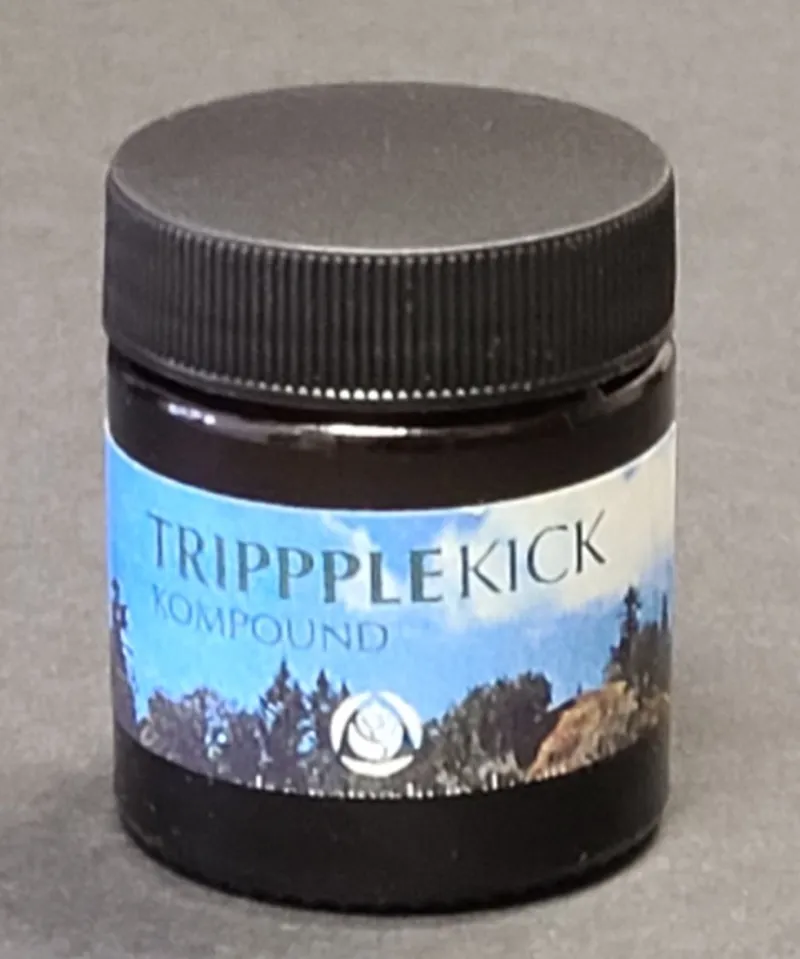
CBG is also much harder to get than CBD. The plant converts most of its CBG into other cannabinoids as it matures, so extracting CBG requires careful timing and specialized growing. Many people now take both CBG and CBD, since each supports the endocannabinoid system differently. Mendocino Medicinal offers both: this CBG Tincture for nervous system support, and Trippple Kick CBD Salve for topical muscle and joint relief.
Who It’s For
- •People interested in cannabinoid wellness beyond CBD
- •Those looking for natural nervous system support
- •Anyone curious about newer cannabinoid research
- •People who want a pure, single-cannabinoid tincture
How to Use
Take 1 dropper-full under the tongue twice a day.